






.svg)
.avif)





.svg)



With Gen Z’s growing influence on global eCommerce, their attitudes toward counterfeiting present both a challenge and an opportunity for brands. Many younger consumers actively seek out fake goods, viewing them as affordable alternatives while remaining unaware of the broader societal harms.
This blog explores how brands, including Tommy Hilfiger, are adapting to Gen Z’s online behaviors, educating them about the real-world consequences of counterfeiting, and evolving their strategies to stay relevant in an ever-changing digital landscape.
Table of contents:
• Why Gen Z matters to brands
• How Gen Z is shaping the online landscape
• Why Gen Z seeks out counterfeits
• Implications for Brand Protection strategy
• Educating Gen Z about the societal harms of counterfeits
• Shifting Gen Z’s perceptions through storytelling
• Building a smarter Brand Protection strategy
• eBook: How brands can navigate social media threats
About the contributors
Alastair Gray is the Director of Anti-Counterfeiting at INTA. In his previous role as Head of Digital IP Enforcement for Tommy Hilfiger, Alastair lead the global strategic operations for brand protection, encompassing both online and offline actions.
Max Klymenko runs Klym&Co, a specialized digital communications agency, and hails from a background in Brand Protection.
Why Gen Z matters to brands
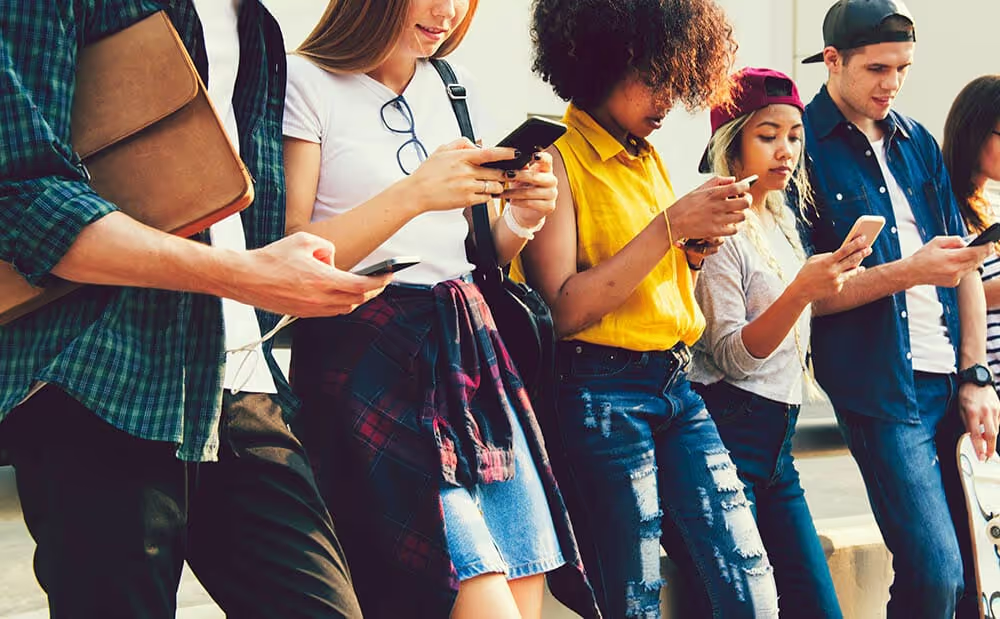
Typically defined as people born between 1997 and 2012, Gen Z are seen by many brands as the number one audience to connect with online.
- 54% of Gen Z spend over 4 hours on social media every day
- More than two thirds of Gen Z use TikTok
- 40% of Gen Z follow brands on social media
- 97% of Gen Z use social media as the first port of call when looking to buy something
They live, shop, and engage digitally, making them one of the most influential consumer groups today. Over 97% of Gen Z use social media as their first step when researching purchases, favoring recommendations from friends, influencers, and online communities over traditional advertising.
Gen Z are incredibly important for the future of any brand. They are known as the generation that primarily engages with the world online – consuming and creating content, interacting with friends and communities, and connecting directly with brands. Critically, they are the most likely demographic to share their experiences – both positive and negative – of a brand and its products.
Max believes that brands now need to be ‘digital native’, meaning that they should have a constant, authentic presence within the online spaces that Gen Z have adopted. Tommy Hilfiger is one such brand that has made the jump. Alastair shares that the brand has evolved its purpose and mission over the last few years, placing emphasis on promoting sustainability, inclusivity, diversity – key issues that resonate with Gen Z.
How Gen Z is shaping the online landscape
Gen Z appreciates honesty above all else, says Max, “They are allergic to hypocrisy. If I were to do something that isn’t moral, Gen Z would be the first part of my audience to call me out on it. And for brands, it’s the same.”
For all brands and marketers, the purpose driven element is critical. Gen Z is holding brands more accountable and are interested in how they impact both society and the planet.
Influencers over brands
Max believes that Gen Z tend to trust, admire, and give greater weight to personalities rather than brands and companies. According to Max, this feeds into the process of researching products; gone are the days of consumers relying on official company websites and advertising to make purchasing decisions. “When it comes to fashion advice, Gen Z would rather listen to a personality than a brand – think Molly-Mae, instead of Vogue,” says Max.
Social media usage
The social media platforms where brands should focus “partially depends on the geography”, says Max. For example, “in France, Facebook is still popular with Gen Z. Whereas in other regions, TikTok reigns supreme.”
Brands must also factor the type of content that is most favored by Gen Z, “they are more into short form video than long form – TikTok and YouTube are the go-to platforms for entertainment and creator culture.” Alastair adds that for fashion brands like Tommy Hilfiger, “Instagram is still huge.”
Adopting metaverse platforms
There are multiple new avenues within gaming and the metaverse that brands can exploit to connect with Gen Z and remain front of mind. Take Tommy Hilfiger’s ‘Tommy Play’ experience on ROBLOX, as one example. Boasting over 35 million visits, the experience allows fans to challenge their friends to bike races, play Freeze Tag, and unlock virtual Tommy Hilfiger accessories for their avatars.
Why Gen Z seeks out counterfeits
An uncomfortable truth is that many Gen Z consumers deliberately hunt down counterfeits. They’ll share where to get the best counterfeits online, create reviews, and encourage others to purchase them.
Max says, “If a member of Gen Z purchases what they deem to be the same product that they would have got from Tommy Hilfiger, but it’s ten times cheaper, they think they’ve got a bargain and that’s it. It’s up to brands to educate their audience on why purchasing counterfeits is bad and make it a joint fight for making a better society.”
Implications for Brand Protection strategy
With Gen Z continuing to move towards user-generated content (UGC) platforms such as TikTok, brands need to review the channels that they prioritize and how they can effectively detect and remove infringements.
Alastair states, “The challenge is that you can’t just look at a TikTok post, analyze it in a few seconds, and then enforce – you’ve really got to look at the video and understand the context. The other challenge is that TikTok and similar platforms aren’t necessarily sales channels. They’re often influencing channels in terms of pointing consumers to where they can buy products or sharing reviews of counterfeits. You’ve got to go a lot deeper to find the product and where it’s being sold.”
Seller verification on marketplaces and social commerce platforms
“We need better tools from the platforms to identify and take down infringing content down,” says Alastair. “We need platforms to help identify those illegitimate sellers and their supply chains.”
While some platforms have enhanced their verification processes, their effectiveness is mixed. If sellers are only required to add a credit card to complete verification and list products, then there isn’t a high barrier of entry to bad actors. Other platforms go much further by implementing supply chain checks, where they look at invoices and the paper trail of a product’s origin.
However, social commerce platforms such as TikTok are muddying the waters in terms of which parties fulfil orders. Many are under the impression that TikTok distributes products. In reality, “consumers are actually purchasing directly from influencers through their own TikTok stores – neither TikTok nor the brand itself are involved”, states Max. He maintains this isn’t like purchasing from Amazon, where “it’s clear to the buyer whether a product is fulfilled by Amazon or by a third-party seller.”
Educating Gen Z about the societal harms of counterfeits
From a brand owner’s respective, counterfeits are damaging to revenue and reputation – but are Gen Z concerned with these issues? Alastair and Max don’t think so. Instead, consumers are more receptive to learning about the broader societal harms of counterfeits – this is where brands can better educate consumers on how their purchases fuel a criminal industry.
Alastair states, “It’s about being authentic. We all know that there is a problem with counterfeiting. We have a page on our website where people can find general tips in terms of how to spot a counterfeit website and demonstrating that we have a team doing this enforcement work.”
There are three key societal harms that brands can bring attention to:
1. Counterfeits contain harmful materials
In 2022, the American Apparel Footwear Association released a study into the danger of counterfeit apparel[1]. The study showed that counterfeit apparel has high levels of harmful chemicals and heavy metals and undergoes no checks before reaching customers’ doorsteps. The physical danger element is a key message for brand owners; ask consumers whether they want to be purchasing products for themselves or others that could have harmful materials within them.
2. IP infringement links to organized crime
There’s well-documented links between serious crimes – such as human slavery, money laundering, and drug trafficking – and IP infringement. Alastair believes it is an important message to hammer home as Gen Z, by-and-large, are unaware of the criminal organizations they are helping to fund, “On a surface level if a consumer just sees a copycat handbag in a YouTube video, they are unlikely to associate it with criminality and instead focus on the price and quality.”
3. Poor-quality fakes lead to environmental damage
Sustainability and environmental concerns are of huge importance to Gen Z. Brands are taking great strides to use recycled materials and reduce their carbon footprint, counterfeiters are not.
The durability of the products themselves should also be highlighted. “If someone buys a fake Tommy Hilfiger T-shirt for $15, this is likely to fall apart and end up in landfill, – which clearly isn’t sustainable,” says Alastair. “Then there are the hazardous materials used within knockoffs, such as lead and arsenic, that can pollute the environment.”
Shifting Gen Z’s perceptions through storytelling
Nothing beats a good story. Max maintains that storytelling is an extremely powerful tool for brands seeking to distance their products from counterfeits. When brands share real, relatable narratives, they can make the harms of counterfeit goods feel personal and tangible. This leans into the idea that Gen Z are very purpose driven and want their experiences to be organic, authentic, and ethical.
Comparing counterfeits with authentic products
One effective strategy is directly comparing a counterfeit to an authentic product. By showcasing differences in quality, durability, and safety, brands can help consumers see the long-term value of legitimate goods.
A direct comparison of the quality can be enough to convince potential customers says Max, “one brand that produces high-quality headphones shared a review comparing a knockoff to the real thing. The founder purchased a fake version of the brand’s product for $7 – the authentic version retails at $150 – and gave an honest take on their quality. After using the headphones for a week, he stated they were functional but had a host of audio problems, highlighting the clear difference in quality.”
The story behind the product
Another approach is sharing the story behind a product’s creation to align with Gen Z’s desire for transparency and meaning.
Max shares an example of a brand taking this approach, “they encountered knockoffs versions of their signature camera bags being sold on Amazon. The founder published an incredibly honest video compared the knockoff to the authentic version, stating that the knockoffs were almost the same and were five times cheaper. But he also told the story of the time and effort put into the authentic product’s design, detailing how the zipper was made, the meaning behind the logo, and how his girlfriend chose the bag’s colors. This really connected with the brand’s audience.”
Building a smarter Brand Protection strategy
In summary, tackling counterfeiting effectively in the Gen Z era requires a combination of proactive enforcement with consumer education:
- Collaborating with platforms: Stronger verification processes and enforcement tools are essential to identify illegitimate sellers and remove harmful content.
- Monitoring emerging platforms: Brands need to prioritize the spaces where Gen Z spends the most time, including TikTok, Instagram, and virtual worlds like ROBLOX.
- Educating consumers: By focusing on safety, sustainability, and criminal connections, brands can align anti-counterfeiting efforts with Gen Z’s core values.
eBook: How brands can navigate social media threats
On social media, brands and consumers face a rising tide of impersonation profiles, fake ads, and posts promoting counterfeit and dupe products.
To stay ahead, you need a hybrid approach fueled by advanced AI and industry expertise. Read our eBook to dive deeper into the social media challenges and how to safeguard consumer trust, from a perspective of fashion & luxury brands.
References
See how PharmaCheck™ accelerates name qualification
From early-stage screening to post-clearance checks, we help you move faster with confidence — while avoiding missteps new, and help you move forward — faster.
Similar resources


.avif)
The Definitive Guide to Intellectual Property Protection
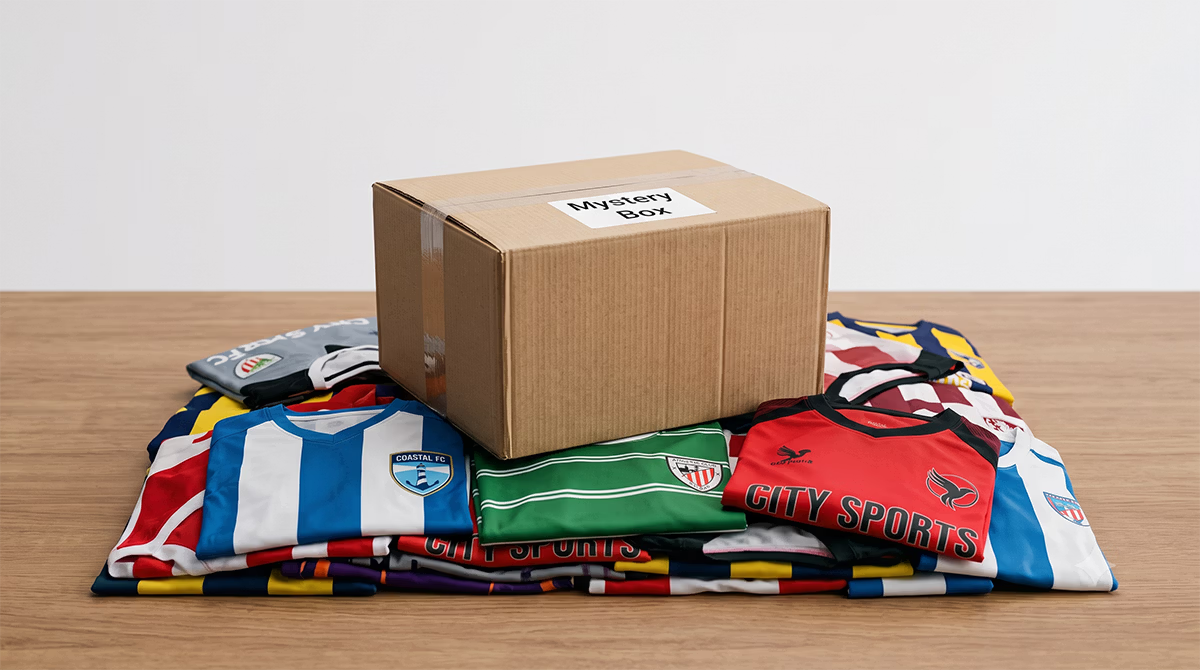
Research Indicates That 40% of Football Jersey Mystery Boxes Are Counterfeit



Moving from Defense to Offense: A Strategic Framework for Brand Protection


.avif)